
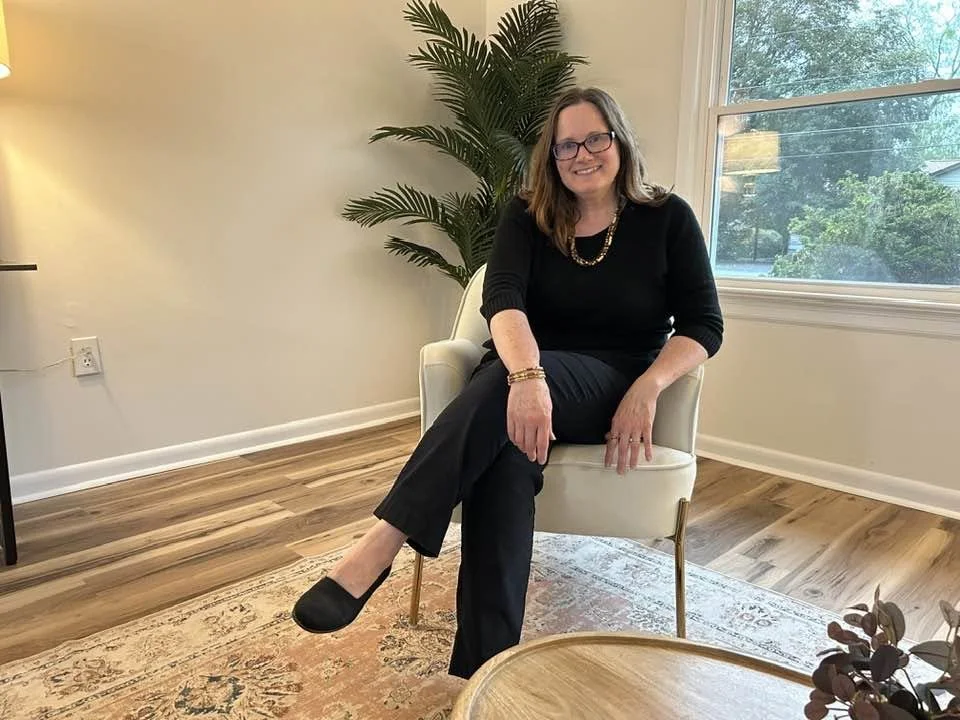
Let's Start a Conversation
Whether you're buying, selling, relocating, or simply exploring your options, I'm here to provide the information and guidance you need to make confident real estate decisions.
Serving Staunton, Augusta County, Waynesboro and surrounding Shenandoah Valley communities
CONTACT:
Lisa Nanni | Shenandoah Valley Real Estate
📞 (540) 280-5719
✉ lisa.nanni-messegee@exprealty.com
Licensed as Lisa Nanni Messegee DPOR/NAR
License #0225272976

Frequently Asked Questions
BUYING
-
Legally? No.
A pre-approval letter is not legally required to submit an offer on a home in Virginia or anywhere in the U.S.Practically? It’s strongly recommended, and even expected.
If you are using financing, most sellers and listing agents will expect a pre-approval letter to be included with your offer. It shows that a lender has reviewed your financial situation and that you are a serious, qualified buyer.If you’re paying cash, you’ll typically provide proof of funds instead of a pre-approval letter.
While not required by law, pre-approval has become a standard part of submitting a competitive offer in today’s market—and in many cases, it can make the difference between an offer being considered or passed over.
Questions are always welcome. Whether you're financing or paying cash, I'm happy to help you understand the process and what you'll need before you begin.
-
Getting started is easier than most people think—and you don’t need to have everything figured out before reaching out!
Most buyers begin with a simple conversation so we can talk through:
Your goals and timeline
Your comfort zone for monthly payments
What kind of home and location fits your lifestyle
From there, the next step (if you’re financing) is usually connecting with a trusted lender to get pre-approved. This helps define your price range and makes it easier to move quickly when the right home comes along.
If you need help connecting with local lenders or other trusted professionals, I’m happy to share options so you can choose what feels right for you. Ultimately, you’re the decision-maker, and my role is to guide and support you through the process.
Once you’re pre-approved, we’ll start the fun part—touring homes, refining your search, and narrowing in on what feels right for you.
There’s no pressure and no commitment needed to start the conversation—just a clear next step so you feel confident moving forward.
-
Every transaction is a little different, but most follow a series of clear steps—from initial conversation with me, getting your pre-approval, starting the home search, winning the offer, doing your due diligence through inspections of your choosing, and ultimately signing documents and getting the keys at closing.
You can find a detailed step-by-step overview in the “Buy” section of this website, but the important thing to know is that I’ll guide you through each stage. You will always understand what’s happening and what’s coming next.
-
The total amount you’ll need depends on the price of the home, your loan type, and the terms of your transaction. Most buyers should plan for both ongoing housing costs and upfront expenses.
Your ongoing housing costs may include:
Principal & Interest
Property Taxes
Homeowners Insurance
Mortgage Insurance, if applicable
HOA/condo fees, if applicable
Upfront costs can include:
Down payment: Can range from 0% to 20% or more, depending on the loan program and your circumstances
Closing costs: Often around 2%–5% of the purchase price, although they vary by transaction
Prepaid expenses and initial escrow deposits
Buyer’s agent fee: Varies by agreement and transaction. Your buyer-broker agreement will spell out the compensation you've agreed to and what you may be responsible for. Seller contributions may cover some or all of the fee, depending on the transaction.
Some costs may be reduced, covered, or negotiated depending on the loan program and the terms of the offer. Your lender can help you estimate your cash-to-close before you start shopping.
-
It's negotiable and can be part of the overall negotiation strategy. In many cases, the seller may choose to contribute some or all of the buyer's agent's fee, but every situation is different. We'll discuss how the fee works, what you may be responsible for, and how seller contributions may factor into the transaction before you start looking at homes.
SELLING
-
Determining your home's value is more than looking at an online estimate or comparing your home to a neighbor's sale. A successful sale starts with understanding your property, your goals, and the current market.
I use a Comparative Market Analysis (CMA) to evaluate recent comparable sales, current competition, market trends, your home's condition, updates, location, and unique features. In some cases, especially when I have not yet seen the interior, I may prepare a draft CMA first and then refine it after seeing the home. From there, we talk through pricing strategy based on your circumstances and goals.
Depending on your timeline, priorities, and the condition of the home, the strategy may focus on attracting strong buyer activity, aligning with current market conditions, or supporting a specific timing need.
My role is to help you understand your options, explain the trade-offs of each approach, and use current market data to guide decisions that support your goals.
Every home has a story. I’m here to help you determine the right strategy to move forward with confidence.
-
Selling a home involves more than just preparing it for the market. Understanding the potential costs ahead of time helps you make informed decisions and plan your next move with confidence.
Common expenses may include real estate fees, closing costs, taxes or prorations, moving expenses, and any agreed-upon buyer concessions. Some sellers also choose to make updates or repairs before listing, but not every improvement provides the same return.
My approach is to help you evaluate which improvements, if any, make sense based on your goals, timeline, and the current market. Sometimes a small repair, refresh, or staging adjustment can help a home show its best. Other times, investing heavily in renovations may not be the best strategy.
Together, we look at the potential cost, expected benefit, and how buyers are likely to respond so you can decide where your time and money are best spent.
My goal is to create a selling plan that aligns with your priorities—whether that means maximizing your return, preparing for a specific timeline, or making the process as smooth as possible.
-
Preparing your home for sale does not always mean making major renovations or spending a lot of money. The goal is to present your home in a way that helps buyers recognize its value and imagine themselves living there.
I often recommend starting with the three Ds:
Deep clean – A clean, well-maintained home creates a strong first impression and helps buyers focus on the features of the property.
Declutter – Removing excess furniture, belongings, and visual distractions can make rooms feel more spacious and allow buyers to better appreciate the home's layout.
Depersonalize – Creating a neutral environment helps buyers picture themselves making the home their own while still allowing the character of your home to shine through.
Beyond the three Ds, we’ll look at your home’s condition, market position, and your goals to determine whether any repairs, updates, or staging adjustments are worthwhile. Some improvements can make a meaningful difference, while others may not provide a strong return.
My role is to help you prioritize what matters most so you can prepare your home with confidence and avoid spending time or money where it won’t make an impact.
-
While every sale is unique, the process generally begins with understanding your goals, evaluating your home's value, and creating a pricing and marketing strategy that fits your situation.
From there, we prepare your home for the market, launch your marketing plan, coordinate showings with interested buyers, monitor the strategy and market response, and make adjustments when needed. Once an offer is accepted, the transaction moves through important steps such as inspections, appraisal, negotiations, title work, and closing.
Throughout the process, my role is to keep you informed, help you understand your options, and guide you through each decision—from preparing your home to handing over the keys.
My goal is to make selling your home a clear, organized experience so you can move forward with confidence.
-
Selling a home successfully takes more than placing a sign in the yard and waiting for buyers. A strong marketing plan begins with understanding your property, your goals, and what will attract the right buyers in the current market.
My approach is built around four key areas:
Strategic Foundation
Every successful sale starts with the right strategy. This includes thoughtful pricing, understanding buyer demand, and creating a plan designed around your goals and market conditions.Professional Presentation
First impressions matter. I help showcase your home through professional photography, strategic storytelling, and an online presentation designed to capture attention and highlight what makes your property special.Maximum Exposure
Your home is promoted where buyers and their agents are looking, including the MLS, online platforms, social media, and direct communication with the real estate community to generate interest and gather feedback.Enhanced Marketing Opportunities
Every property is different, so additional marketing tools are selected strategically based on what will best support your goals. Depending on the home, this may include video, drone photography, open houses, targeted online advertising, brochures, or specialized marketing materials.My goal is to create a marketing plan that tells your home's story, reaches the right buyers, and supports the pricing strategy we develop together.